Exploring the Benefits of Omnichannel Marketing
Exploring the Benefits of Omnichannel Marketing
In today’s fast-paced digital landscape, businesses must adapt to meet customers wherever they are. With consumers interacting with brands across various platforms—from social media to physical stores—the need for a unified marketing approach has never been greater. Enter omnichannel marketing: a strategy that seamlessly integrates multiple channels to create a cohesive and personalized customer experience. This blog delves into why an omnichannel marketing strategy is essential for businesses looking to thrive in the modern market.
Understanding Omnichannel Marketing
Definition and Concept: Omnichannel marketing is more than just a buzzword; it’s a comprehensive approach that ensures a seamless customer experience across all touchpoints. Unlike multichannel marketing, which operates across multiple platforms independently, omnichannel marketing connects these platforms, allowing for a more consistent and personalized interaction. Whether a customer engages with your brand through a website, mobile app, or in-store, the experience should feel interconnected and fluid.
Key Components: At the heart of omnichannel marketing is the integration of various channels—online and offline—into a single, cohesive strategy. This integration ensures that customers receive a consistent message, no matter how or where they interact with your brand. It’s about meeting your audience where they are and providing a seamless journey from one channel to the next.
Benefits of Implementing an Omnichannel Marketing Strategy
Enhanced Customer Experience: One of the most significant advantages of omnichannel marketing is the ability to offer a highly personalized experience. By integrating customer data across all channels, businesses can tailor their messaging and offers to individual preferences. This level of personalization not only enhances the customer experience but also builds stronger, more meaningful relationships. Customers appreciate when a brand understands their needs and preferences, which can significantly influence their loyalty and engagement.
Increased Sales and Revenue: An omnichannel approach can directly impact your bottom line. By providing a seamless and consistent experience across all platforms, you reduce friction in the customer journey, making it easier for customers to convert. Whether they start their journey on a social media ad and complete a purchase in-store or browse on a mobile app and buy online, an omnichannel strategy ensures that every touchpoint works together to drive sales. Numerous case studies highlight businesses that have successfully increased their revenue through effective omnichannel strategies, proving its efficacy.
Improved Data Collection and Analysis: Omnichannel marketing allows for the collection of comprehensive data across all customer interactions. This wealth of information provides invaluable insights into customer behavior, preferences, and trends. By analyzing this data, businesses can make informed decisions that refine their marketing efforts, predict future behavior, and optimize campaigns for better results. Data-driven strategies are at the core of successful marketing, and omnichannel marketing provides the tools to harness this potential fully.
Brand Loyalty and Retention: Consistency is key in building brand loyalty. An omnichannel strategy ensures that your brand message is uniform across all channels, reinforcing your brand identity and values. When customers receive the same high-quality experience regardless of how they engage with your brand, it fosters trust and encourages repeat business. Additionally, omnichannel service—providing support and engagement across all touchpoints—plays a crucial role in retaining customers and turning them into brand advocates.
The Role of E-commerce in Omnichannel Marketing
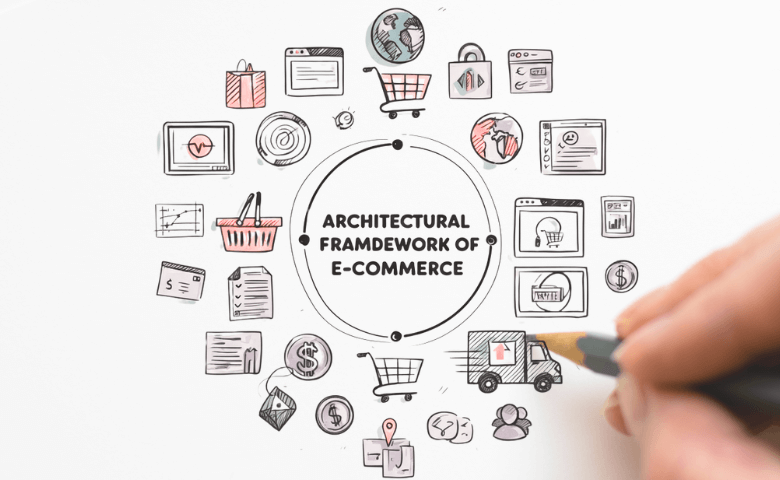
Integration of Online and Offline Channels: E-commerce platforms are central to the omnichannel experience. They provide the digital backbone that connects online and offline channels, ensuring that customers can transition smoothly between the two. For instance, customers might browse products online and then visit a physical store to make a purchase, or they might check inventory at a nearby store from their mobile device before buying online. This integration enhances convenience and flexibility, key factors in today’s shopping environment.
Leveraging E-commerce Omnichannel Strategies: E-commerce data is a goldmine for personalizing customer interactions. By analyzing online behavior—such as browsing history, past purchases, and abandoned carts—businesses can create targeted marketing campaigns that resonate with individual customers. Furthermore, coordinating promotions and offers across all channels ensures that customers receive consistent messages, whether they’re online, in-store, or interacting with your brand via social media. This cohesive approach maximizes the effectiveness of your marketing efforts.
Challenges and How to Overcome Them
Technology Integration: One of the primary challenges of implementing an omnichannel strategy is ensuring that all platforms and systems are effectively integrated. This requires robust technology infrastructure and tools that can sync data across various channels. Investing in the right technology solutions—such as customer relationship management (CRM) systems, omnichannel ecommerce solutions, and data analytics platforms—is crucial for overcoming this challenge.
Consistent Messaging: Maintaining a consistent brand message across all channels can be challenging, especially when different teams manage different platforms. To overcome this, businesses need to establish clear brand guidelines and ensure that all marketing efforts are aligned with these standards. Regular communication and collaboration among teams are essential to maintain a unified brand voice.
Data Management: With the influx of data from multiple sources, managing and analyzing this information can be overwhelming. However, businesses can overcome this challenge by implementing effective data management strategies. This includes using advanced analytics tools that can process large volumes of data and provide actionable insights. Additionally, businesses should prioritize data security and privacy to build trust with their customers.
In today’s competitive market, adopting an omnichannel marketing strategy is no longer optional—it’s essential. By integrating various channels and creating a seamless customer experience, businesses can enhance customer satisfaction, increase sales, and build lasting brand loyalty. As technology continues to evolve, those who embrace omnichannel marketing will be well-positioned to meet the demands of modern consumers and achieve long-term success.